At Bubnell Cliff Farm, nature restoration sits at the heart of everything we do. Farming and conservation are not opposing ideas — we believe they are strongest when they work together. Across 42 hectares — around one third of the farm — we are creating a woodland pasture system designed to restore biodiversity, improve soil health, and build resilience into our landscape for generations to come.
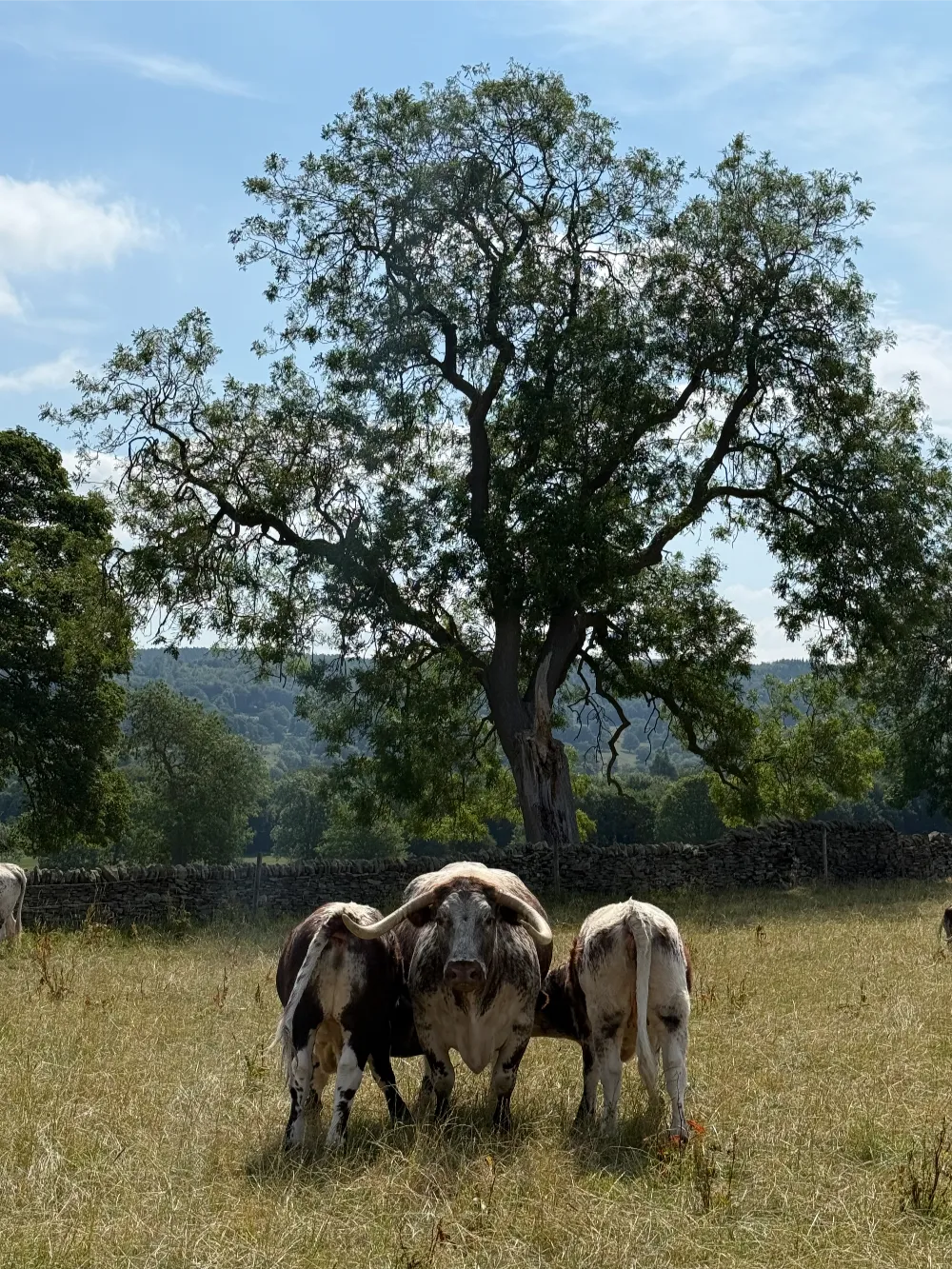
Woodland pasture is a traditional land management system that integrates grazing livestock with scattered trees and open pasture. It creates a mosaic of habitats — diverse grassland, scrub, mature trees, and young saplings — each supporting different species. The result is a rich, layered environment that provides food, shelter, and nesting sites for wildlife, while continuing to produce high-quality beef.
To kick start the regeneration process we have we have planted 250 trees across the area. These trees will provide long-term environmental benefits: improving carbon capture, stabilising soil, reducing wind exposure, increasing water infiltration, and offering shade and shelter for our cattle. Over time, they will create structural diversity in the landscape, allowing insects, birds, mammals, and fungi to flourish.
We often describe this area as our “mini rewilding” project. While it remains an actively farmed landscape, we are allowing natural processes to play a greater role. Areas of longer grass, regenerating vegetation, and developing tree cover are already transforming the character of the land.
The results have been encouraging. We are already seeing noticeable increases in plant diversity, with a wider range of wildflowers and grasses emerging across the herbal-rich swards. In turn, insect numbers are growing — a vital foundation for a healthy ecosystem.
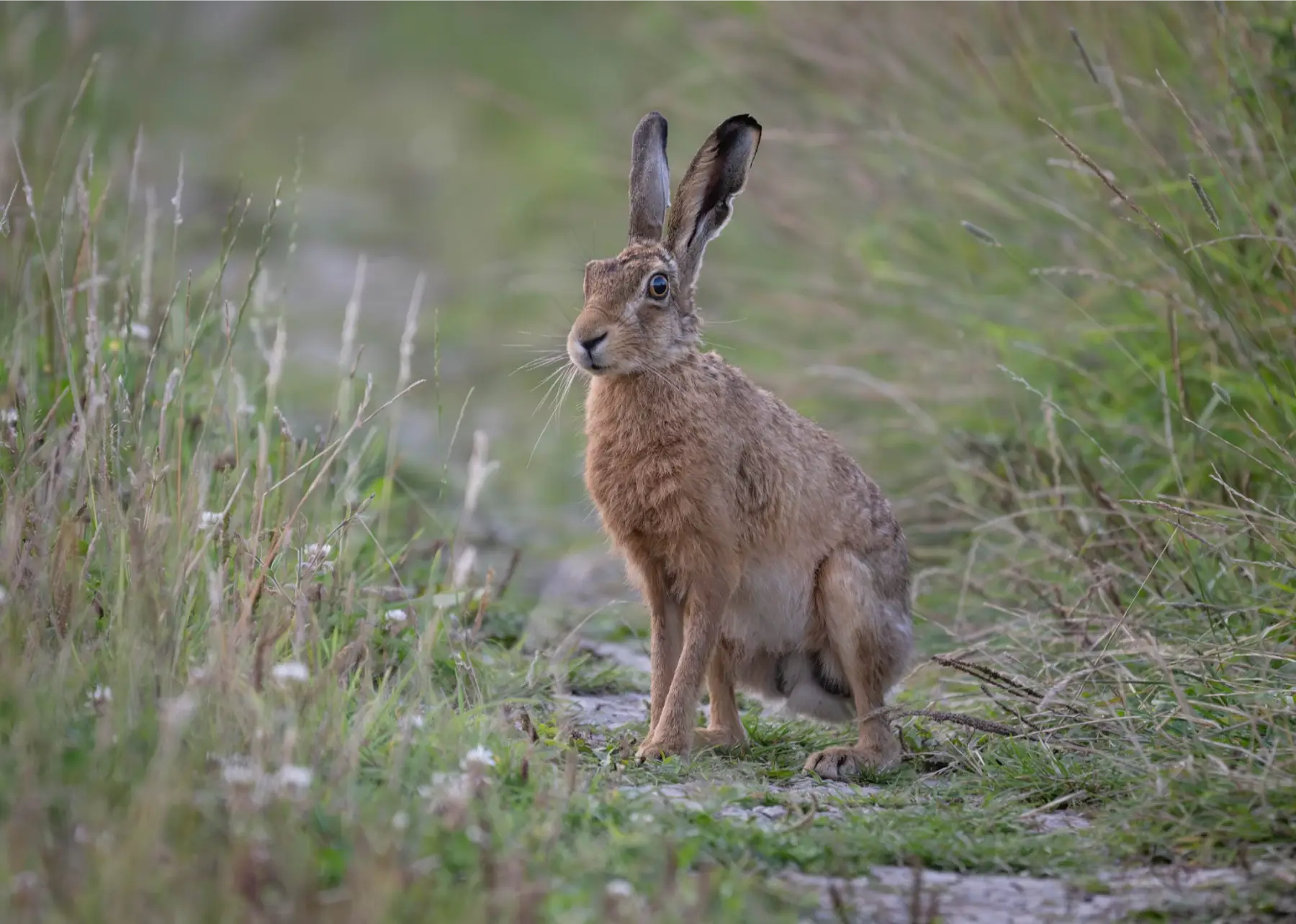
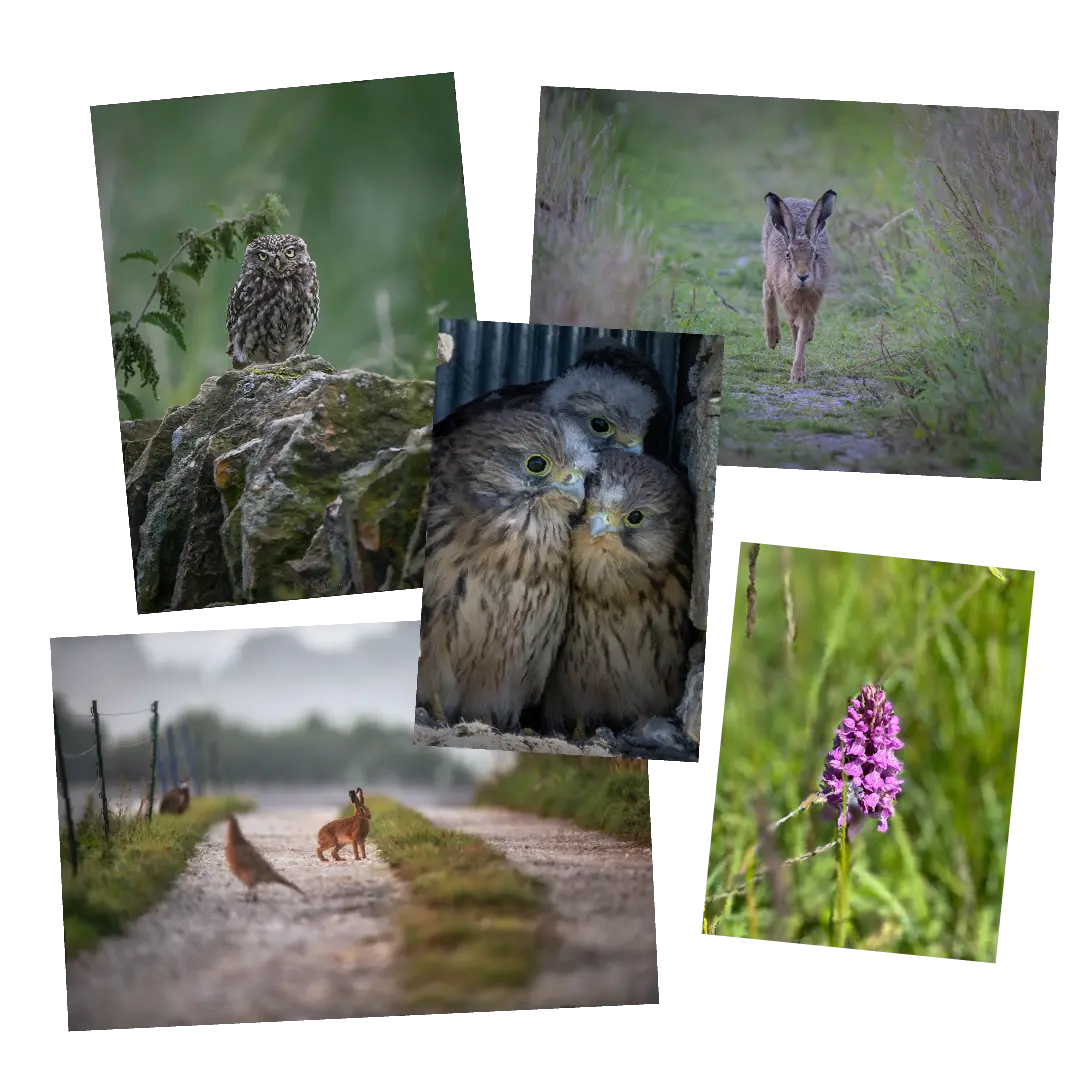
Birdlife has been particularly rewarding to observe. The farm now supports a range of red and amber listed species, including the Eurasian Wren, Long-Eared Owl, Eurasian linnet, Grasshopper Warbler, European Goldfinch, Common Buzzard, Tawny Owl, Barn Owl, Little Owl, Common Redstart, Eurasian Curlew, Northern Lapwing, Common Whitethroat, Red kite and Common Kestrel. Seeing these species thrive reinforces our belief that sensitive, thoughtful farming can deliver real gains for nature.
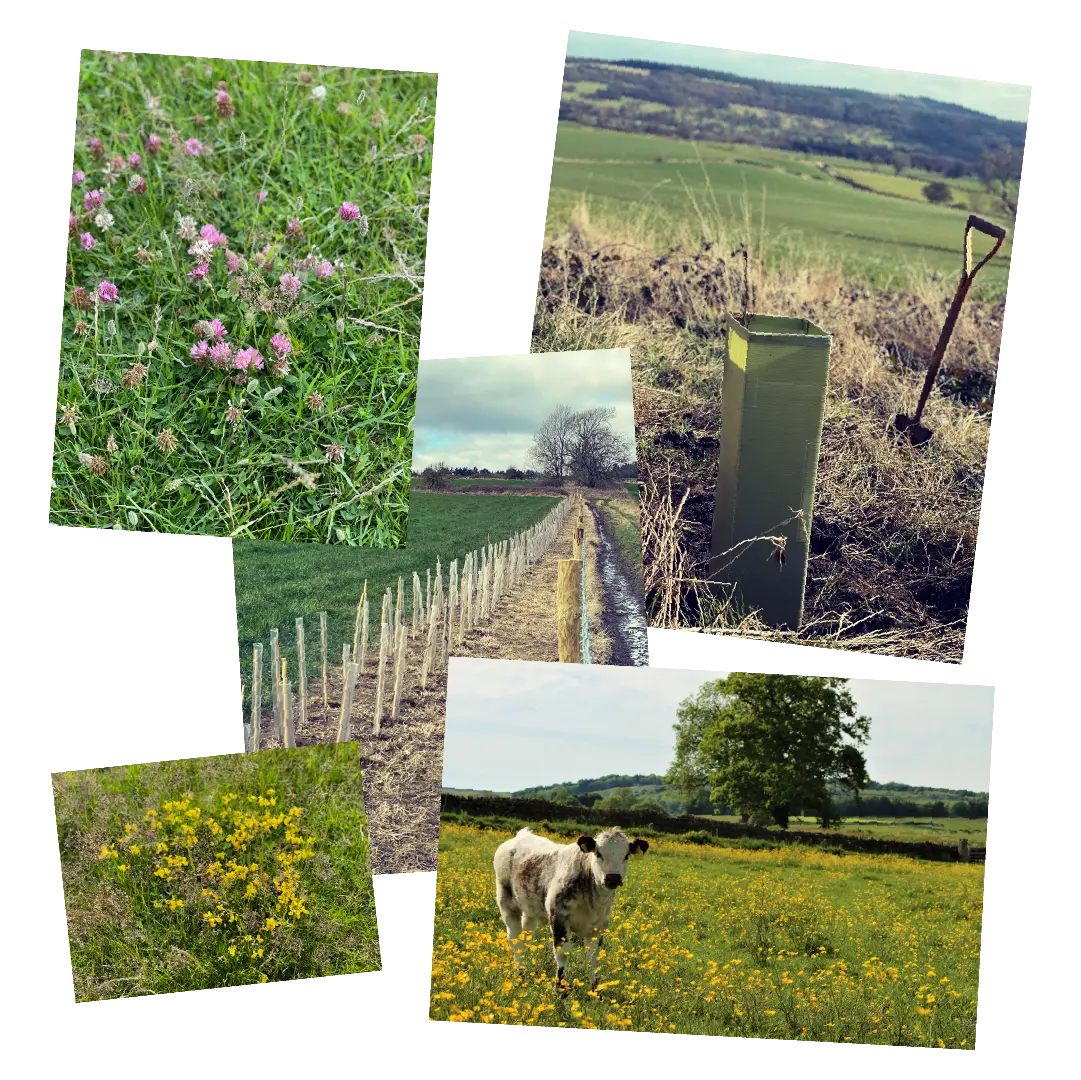
Beyond the woodland pasture, we have planted 800 metres of new hedgerows across the farm. Hedgerows act as wildlife corridors, connecting habitats and allowing species to move safely across the landscape. They provide nesting sites for birds, shelter for livestock, and vital pollen and nectar sources for pollinators.
Our herbal leys also play a key role in restoration. These diverse mixtures of grasses, legumes, and deep-rooting herbs improve soil structure, increase organic matter, support pollinators, and enhance drought resilience. Healthy soils underpin everything — from water retention to carbon storage — and are central to building a sustainable farming system.
Within the woodland pasture, we have also de-silted an existing pond to restore open water habitat. This creates valuable breeding space for amphibians, attracts insects, and provides drinking water for wildlife. Even small water bodies can have a big impact on biodiversity.
Nature restoration at Bubnell Cliff Farm is not a separate project — it is part of our everyday farming decisions. By blending productive agriculture with habitat creation, we are building a landscape that works for wildlife, livestock, and future generations.
We are proud of the progress so far — and excited to see how our mini rewilding journey continues to unfold.